On her new EP, Super Niche, LÂLKA stops worrying about giving the algorithm what it wants, and her artistry has become all the truer for it.
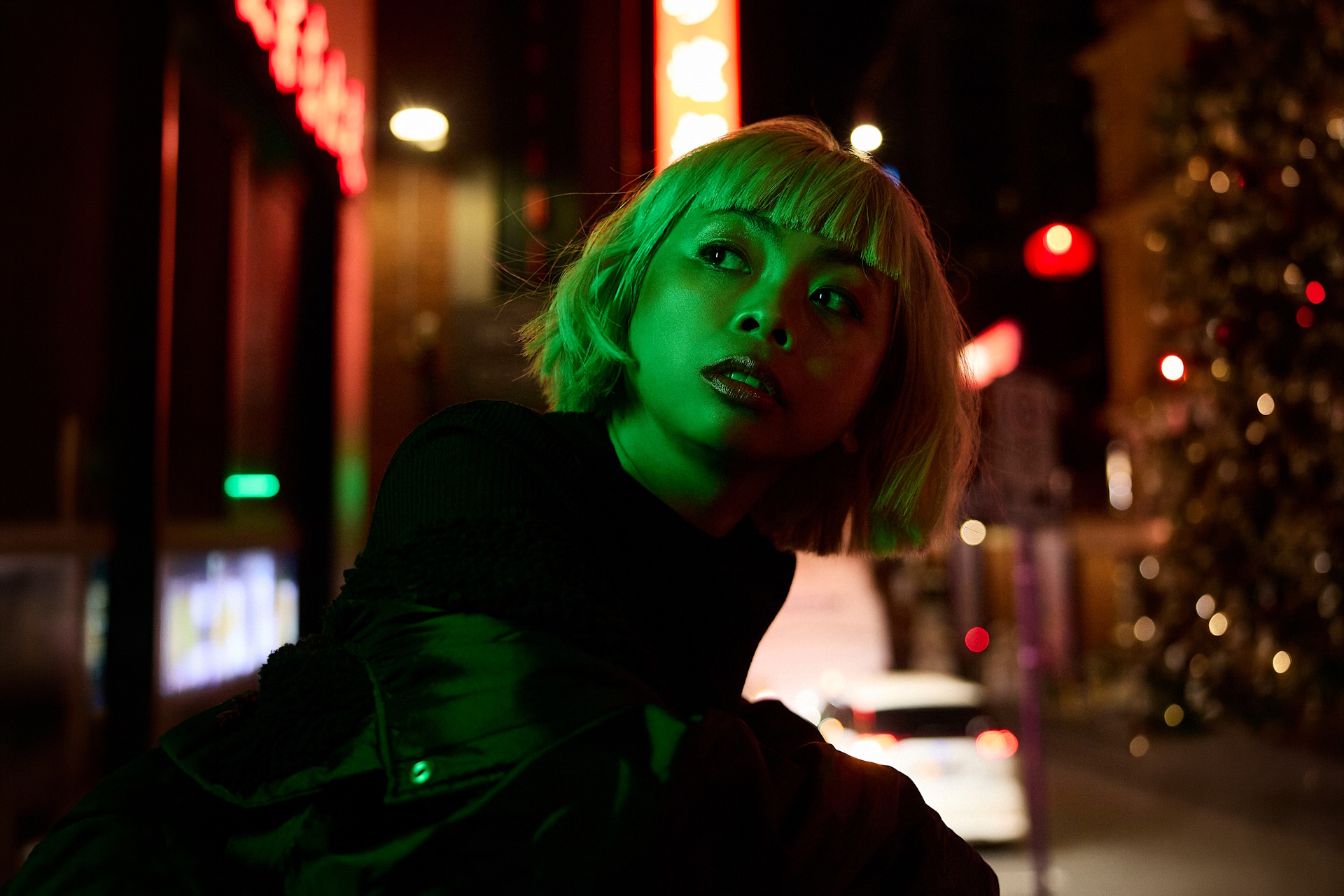
Over the years, LÂLKA has made her presence felt in Australia’s electronic music scene, each release a more magnetic exploration of her experimental pop with hard-hitting euphoric synths. She still has more to say: The Chinese-Malaysian artist has trodden new ground on her latest excursion, Super Niche, one she succinctly describes as “dance music beyond the algo-rhythm.” The five-track release may be her most daring, not only in its sonic variety, but because it’s dance music that requires more attentive listening.
“It came from a place of me recognising what my music was not, and the type of artists I was not,” LÂLKA explains. “I realised the music I was excited about making was not algorithm-friendly.” Super Niche carries several disparate qualities: LÂLKA comes from the world of classical music; most songs last for at least four minutes; and she even code-switches between English and Mandarin on some. If she were to play to the streaming or playlisting game, it’d be a challenge for the omnipresent mood-driven technological titan to fit it into a box—which is the point. “Realising it was not algorithm-friendly, I decided to really lean into that, rather than doing things half-assed or trying to make it fit into the algorithm,” LÂLKA says. “I knew it was pointless. I don’t find joy in that—I make music because I love music.”
Today, that aversion is a tried-and-true approach for many independent artists like LÂLKA. Most of Super Niche first released on Bandcamp, and the online music shopfront and live shows have been where she’s scored the majority of her financial success. “Like Fury” gave fans their first glimpse of Super Niche: a hyperpop-meets-trap passionate expression of deep heartache, turned left-field with bilingual lyrics and digitally affected strings. She made other versions for fun, including one with gorgeous piano ambience and a trancier take stretched out to almost seven minutes. The song, the first written for Super Niche, ended up embodying the EP: “rewarding audiences who immerse themselves fully.”
On stage, LÂLKA provides something new by building a point of difference. “I always have this mentality: If someone has made the effort to get a ticket to your show and travel there, they want to be entertained,” she says. “There’s no point in them just arriving and you giving them basically the same thing that they can get at home on their streaming service.” It’s all of the little exclusive tweaks that make showing up worth it, and judging by the many reinterpretations of “Like Fury”, LÂLKA offers plenty.
The people have indeed shown up. Fans, FBi Radio, and I have called the equally brutal and celestial closer on anxiety, “Don’t Delete Me”, their favourite—this embrace has surprised LÂLKA, who wasn’t sure people would get it. Then, the ongoing Super Niche tour with live and DJ sets brings engaged crowds to tiny venues where everyone is so into it. The fun scenes LÂLKA’s shared online make me, as a frequent concertgoer, feel intense FOMO. It all speaks to staying true to yourself, and if that means doing something different than what the music industry expects, that’s how you’ll reach the right people.
LÂLKA explains that when she was developing the tour, she initially leaned more into the “super niche” idea with house parties across the country. Of course, the housing crisis among young people and insurance costs that would’ve gone into it made that impossible, so she compromised by booking deliberately small venues, but it’s still worked out. The lineups weren’t a targeted effort to heighten the niche aesthetic; they featured her friends in the same cities, who were available to perform and, importantly, catch up. “I think that translated to the way we performed, where it felt like house parties,” LÂLKA says. Everyone banding together for fun, as she adds, “is probably the only way to do [touring in Australia] as independent artists—DIY without major label or touring promoter backing.”
The little things also get people to show up. She cites her recent Sydney show where fans joined her on stage—the barrier between audience and band disappeared. One Sydneysider who saw her play in April said he would love to sing a certain Madeon song, and by the time LÂLKA returned for Super Niche, she snuck it into her set and gave him that chance. “It was his birthday, too. It was so simple. It didn’t need me to involve a whole bunch of money. I just had to remember that one detail about that one person, and then another person even went, ‘Oh my God, I love this song,’” she recalls. “Remembering the little things they mention, and making them feel included, makes [touring] 100 per cent more fun than if it was just about me.” As someone who’s a music fan at heart, I can confirm that makes a performance infinitely more memorable—the fan will never forget that moment.
LÂLKA has certainly broken the rules of appeasing the algorithm, but also some of her own as a classically trained artist. She left that world for the electronic one because of the extreme pressure to perform to perfection. “Technical prowess and perfection were elevated more than artistic truth and your interpretation,” she affirms. “At the start of my career, every time I would play a show, if something went wrong, I would beat myself up mentally over it. I’d get so, so upset.”
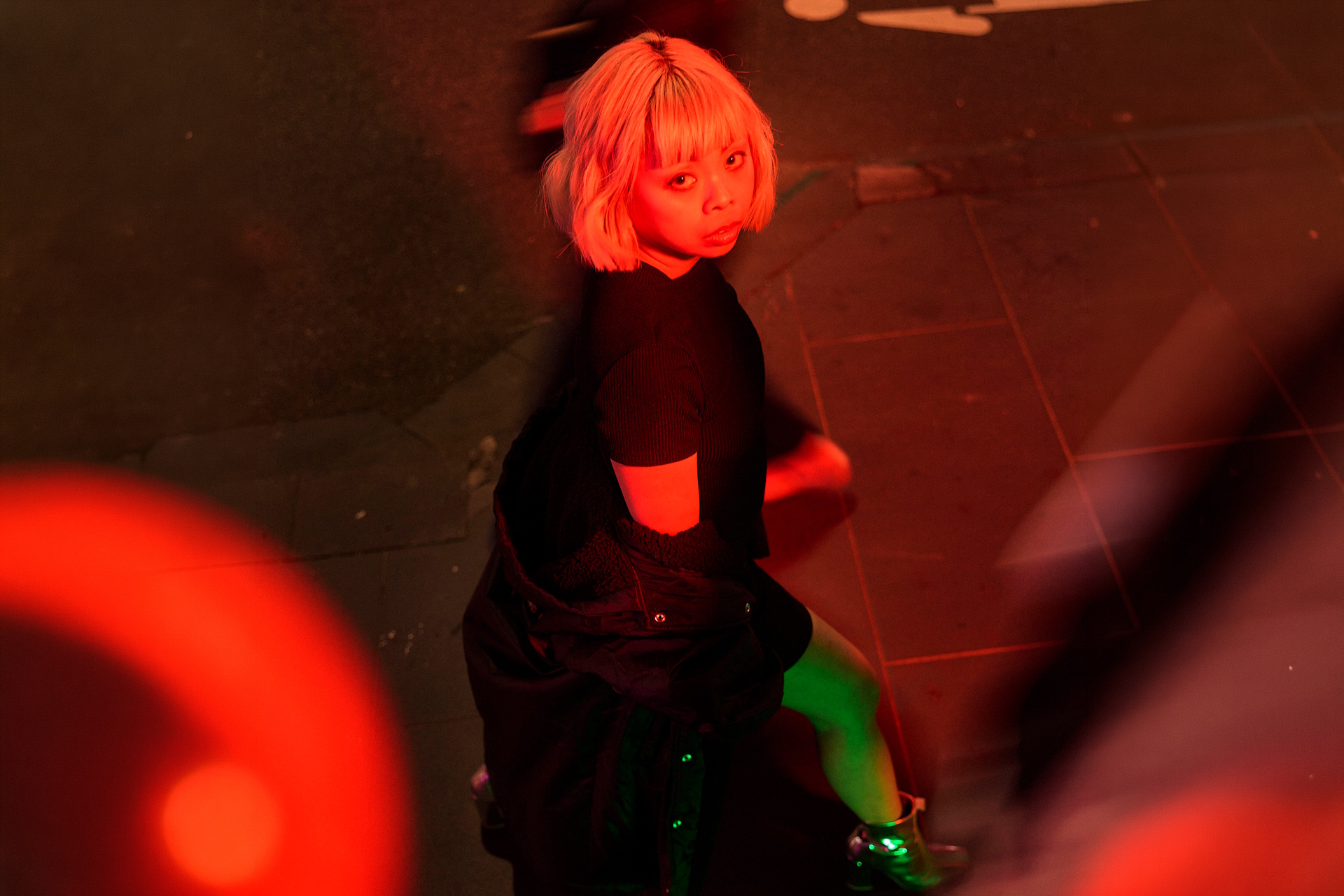
A week before our chat, though, she did a DJ set during which her CDJs played up. Everything that could go wrong went wrong. Did she stress out about the hiccups? Not this time. “Once I let go of that hang-up—and I told the audience, ‘Alright, the CDJs aren’t working properly! We’re just going to have to dance’—they really had fun and went even harder. After that set, I thought, ‘Wow, back when I first started, that would’ve freaked me out.’” In that moment of growth, she confidently leaned into the chaos, understanding her audience cares more about how she makes them feel than her technical ability.
This release is also her first with bilingual lyrics, incorporating Mandarin to embed her identity and find deeper meaning. Writing songs in English is already difficult, and she agrees, but Mandarin’s tonal characteristics—multiple pronunciations for a single word—make the shaping of words into melodies more taxing. Still, this too proved rewarding: “It opened the way in which I could say things. In ‘Like Fury’, ‘我爱你’ (wǒ ài nǐ), which is ‘I love you’, feels so different when spoken in Mandarin. It just hits differently.”
Clearly, Super Niche is a body of work that breaks rules. Existing in an in-between space that LÂLKA has so confidently inhabited, it may be her most realised work yet. “It’s built for music lovers. I’m a music lover, obviously. Whenever I discover music that perks my ears, where I go, ‘Oh, that was interesting, let me listen again,’ and I hear something I didn’t before, that’s how I’m hoping [Super Niche] hits other people,” she muses. The era isn’t over yet—next February will see LÂLKA do something very special coinciding with Chinese New Year, but only reveals it’s still “part of the Super Niche world.” Time will tell what that is, but that gives plenty of time to absorb this dance music designed for your full attention. You’d never go halfway on the dancefloor, so why do the same when listening?
Super Niche is out now on Bandcamp. Follow LÂLKA on Instagram.
LÂLKA is opening for 22mackie at The Workers Club on 14 November. Tickets here.